
Published by Dating Again After a Long Relationship
A first date works best with a defined time window
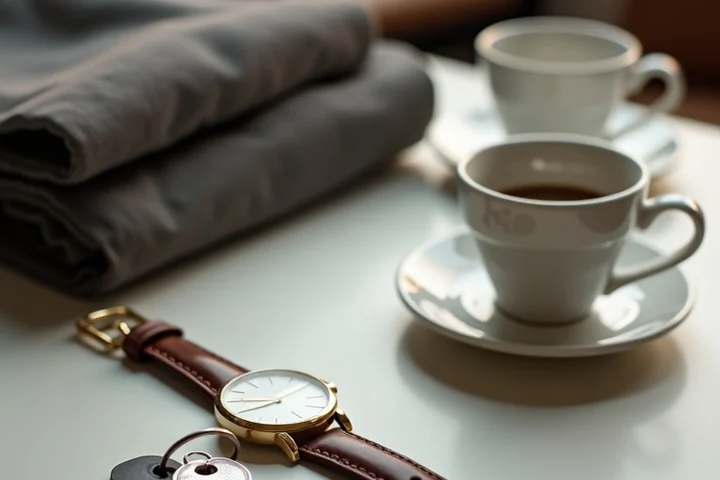
Put a finish line on the first meeting before you leave home. Sixty to 90 minutes suits most coffee meetings, walks, or one-drink dates: enough time to move past introductions and see whether conversation has any life in it. It also stops you from spending a whole evening trying to rescue a flat exchange because you once believed a first date had to feel like an event.
The planned length should reflect the trip, the hour, and what both of you have going on. A 45-minute coffee near work has a different shape from a 90-minute walk after a long commute. Pick a start time that has a genuine endpoint afterward, such as an existing dinner plan or a morning obligation. You are not creating a fake excuse; you are making departure simple for both of you. If you arrive late, shorten expectations, not your politeness.
Short formats lower the cost of a poor match
A brief meeting keeps the stakes where they belong. You have room to talk, notice basic manners, and find out whether the conversation moves without committing to appetizers, a main course, dessert, and the bill. An open-ended dinner can make a weak match feel endless, especially when one person drove far or rearranged a busy evening. People sometimes stay seated far past their interest because leaving a restaurant midway feels rude. It isn't rude to finish a short meeting on time.
Dinner isn't wrong; it just asks more from two people meeting for the first time. A meal gives you more conversation space, but it also makes travel, waiting for a table, ordering, and paying part of the encounter. It is a poor first choice when schedules are tight, you live far apart, or either of you feels rusty meeting someone new. A coffee, walk, or single drink gives both people a straightforward off-ramp. If it goes well, the short format has not wasted anything; it has made a second meeting easy to want.
The date can continue when interest is mutual
When the planned end arrives, extra time should come from a shared choice, not from one person quietly assuming the date will roll on. Look for a conversation with back-and-forth questions, unforced pauses, and real attention. Both of you seem engaged with what was just said. Neither is repeatedly checking a phone, looking toward the door, or answering with one-word replies.
Clear enthusiasm also shows up in small logistics. Neither person needs to rush home, and an added half hour will not create a missed train, a childcare scramble, or a miserable next morning. Ask whether you both want to continue, then accept the answer at face value. A vague response, a glance at the time, or a mention of an early start calls for a warm goodbye, not persuasion.
Sometimes the conversation is good, yet the planned end still makes sense. Ending while you are both enjoying it keeps a promising meeting from turning tiring. Staying longer works best when it feels easy and natural, not like a test of how interested somebody is.
An ending that does not create false expectations
Ending on time is not a verdict on the person across from you. At the planned finish, thank them for meeting and say goodnight. If you want another date, say so clearly before you part or in a brief follow-up. Appreciation is welcome; vague promises about seeing each other again are not.
If you are unsure, an appreciative goodbye and a night to think are cleaner than a forced verdict at the curb. A half-hearted promise only creates confusion.
When you know a second date is not for you, a short, kind follow-up that thanks them and states the romantic connection is not there is kinder than an inventory of flaws or friendship offered as a consolation prize. Silence is easy, but it is rotten.
The right first-date length gives you enough time to notice how conversation feels and enough freedom to go home when it doesn't. A planned hour or so protects both people from a long evening built on politeness. If you both want more time, choose it together. If not, ending when you said you would is good manners, not failure.