Published by Dating Again After a Long Relationship
Inconsistencies that deserve attention

The stated location should fit the app’s distance display, travel claims, and places mentioned in conversation. Employment details should also fit the biography timeline, with no conflicts in relationship status, separation history, or other basic facts. Photos raise similar questions when the stated age, season, or life stage does not fit the images. Treat answers that contradict the profile or change with each retelling as a reason for caution.
One mismatch can have an innocent explanation, such as an outdated profile or a poorly written biography. Several contradictions combined with evasive answers, a sudden request to leave the app, or a refusal to answer basic questions warrant a pause. Keep questions in the app and judge the person’s replies against the information already provided; do not fill in missing facts with assumptions.
Photo clues are useful but not conclusive
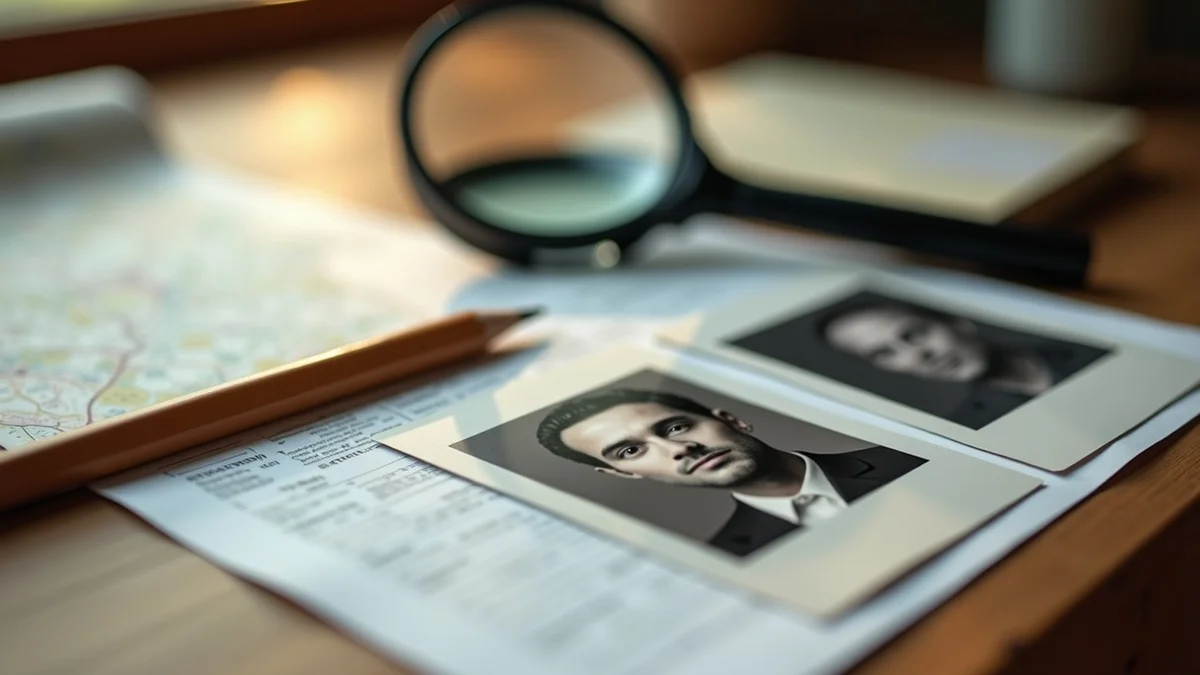
Repeated photos under different names, stock-like portraits, heavily polished images, or pictures that show mismatched facial details can support suspicion. A reverse-image search that finds the same photo on unrelated profiles or public pages adds another reason to stop and check. Sparse biographies and copied wording raise similar concerns. None of these clues proves fraud by itself: a person may reuse a legitimate image, keep a short biography, or use professional photography. Look for several details pointing in the same direction, not attractiveness, age, or grammar alone.
A real person can still present an incomplete profile
Some genuine users share little, write awkwardly, or use a dating app only occasionally. A short biography is not enough to call an account fake, and grammar alone says little about who operates it. Put the profile, messages, and any identity check side by side. Consistent answers, staying on the app, and respect for a reasonable identity check tell you more than a polished profile. When someone avoids every check, changes basic facts, or keeps pressing for private information, stop sharing details and report the account.
Profile evidence worth preserving
Save material before blocking the account. Take screenshots of the full profile, photos, biography, stated location, relationship status, username, and profile URL. Include messages showing unusual contact, such as repeated requests to move off the app, evasive replies, sudden intimacy, or requests for money or account details. Record contact dates, any phone numbers or other usernames provided, the date and outcome of a brief live video check, and payment references if money was mentioned or sent. Store the files privately and submit them through the platform’s report form or to the relevant US reporting agency; do not post them publicly.
Before the conversation moves off the app
Use the dating app for early conversations while you compare the profile with the person’s answers. A cautious check could involve a brief, live video interaction through the service if that option exists, then an independent review of basic claims such as location, work history, and the names used on other accounts. Do not contact an employer, relative, or former partner to investigate the person.
A live video call confirms that someone is present at that moment, but it cannot establish identity on its own. Never send a Social Security number, bank details, login codes, an exact home address, copies of identification, or private photographs for verification. If the person refuses a reasonable check, insists on moving quickly, or asks for secrecy, keep communication on the app or end it.
Report the account without investigating it yourself
Stop engaging when the account appears deceptive. Do not confront the person, threaten exposure, create a second account to test them, or try to identify the operator yourself. Preserve the saved material, then use the dating platform’s report and block tools. If money has been requested or sent, or the person makes threats, contact the appropriate authorities and keep the related messages, dates, account details, and payment references. Remove access to any personal information you already shared and change a password if a login detail was exposed.
Before you move on
Can poor grammar prove that a dating profile is fake?
No. Writing style, age, attractiveness, and grammar are weak indicators on their own. Compare several profile details with the person’s answers and conduct.
Should I ask someone for a copy of government identification?
Identification should never be requested or accepted through text messages or email. That exposes sensitive information and still may not show who controls the account. A brief live interaction and consistent details offer a less intrusive check.
What should I do if a reverse-image search finds the same photo elsewhere?
Save the result privately, stop sharing personal information, and report the account through the dating app. A matching image supports caution but is not conclusive by itself.
What information should I avoid sharing with a new dating contact?
Keep your Social Security number, bank details, login codes, exact home address, copies of identification, and private photographs to yourself until you have sufficient reason to trust the contact.
Review the account calmly, keep sensitive details private, and use the app’s reporting tools when several concerns point toward deception.