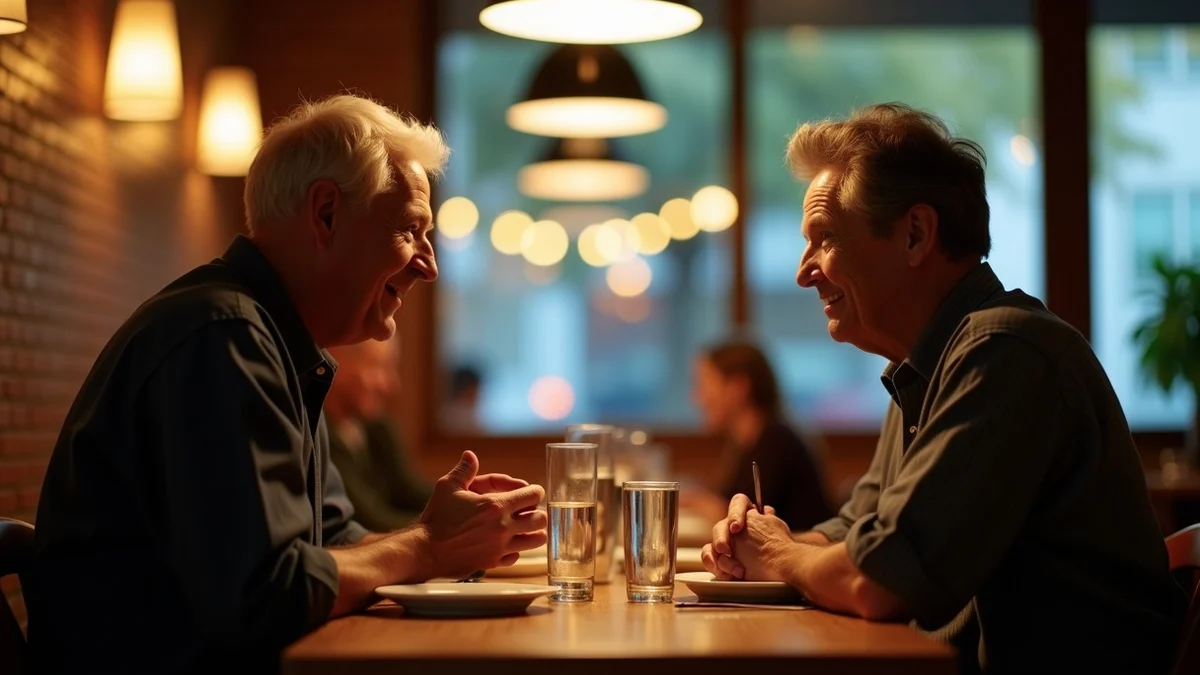
Published by Dating Again After a Long Relationship
Marriage can shape dating habits long after the relationship ends
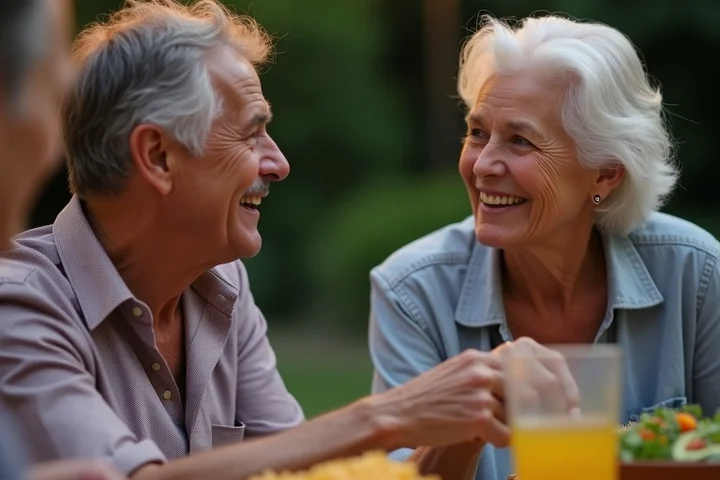
Marriage often arranges daily life around shared routines and a joint identity. Weekend plans, social events, money, meals, affection, and family gatherings get filtered through what works for us. Dating brings the question back to what works for me. Even choosing an activity or saying what sounds enjoyable can feel strange after years of compromise.
Years without flirting also alter the feel of an early date. Conversation feels exposed when familiar shorthand is gone. That discomfort usually means an old skill is coming back into use, not that the connection has failed. Two people arrive with separate lives, and that separateness is one of the biggest changes after marriage.
What should you disclose about a former marriage?
Tell a new date the important context: that the marriage ended, whether you are divorced or still separated, and any current circumstances that materially affect dating. This gives the other person honest information without requiring a full account of who was hurt, who was at fault, or every conflict behind the ending.
Early conversations benefit from proportion. A former marriage is part of your history, yet turning a first or second date into a detailed postmortem places the old relationship at the center of a new interaction. Comparisons create the same problem. Sharing what the marriage taught you about communication or partnership is more revealing than measuring a new person against a former spouse.
When a new date feels unlike your former spouse
A new person's humor, texting habits, social life, or way of showing affection may feel wrong at first simply because it is unfamiliar. Long marriage builds a detailed internal reference point: how quickly plans were made, what a quiet evening meant, how disagreement sounded, and what closeness looked like. That reference point is understandable, but it is not a complete measure of compatibility.
Difference alone is not incompatibility, and a familiar quality is not proof that a connection will be good for you. Someone who communicates more calmly than a former spouse may initially seem distant; someone who creates the same charged feeling may seem compelling because the dynamic is known. The more relevant question is whether time together brings interest, comfort in being yourself, respect for your limits, and a sense that conversation can deepen. Those qualities help separate genuine mismatch from the simple strangeness of starting over in dating.
Individual preferences after years of shared decisions
Marriage can blur which preferences were truly yours and which developed to keep a shared household or relationship running smoothly. After it ends, lifestyle choices often deserve a fresh look. You may prefer quiet weekends, frequent travel, more time with friends, or a home life that looks very different from the one you had before. None of these choices needs to match the structure of your former marriage.
The same applies to affection, communication, exclusivity, and future goals. Some people want regular contact and early commitment; others want more space while they learn who they are outside a marriage. Some seek a serious partnership, while others are open to companionship without immediately building toward another marriage. Writing down what feels important can separate a personal preference from a rule inherited from the previous relationship.
Not every answer has to be settled before dating begins. Still, a growing sense of what you enjoy, what you will not accept, and what kind of connection you hope to build keeps each new person from being assigned a role in an old story.
Dating after a long marriage asks for attention to the person in front of you and to the self that existed beyond the marriage. A new connection need not resemble the old one to matter; it only needs to align with what you now want.