Published by Dating Again After a Long Relationship
Divorce changes the starting point for dating
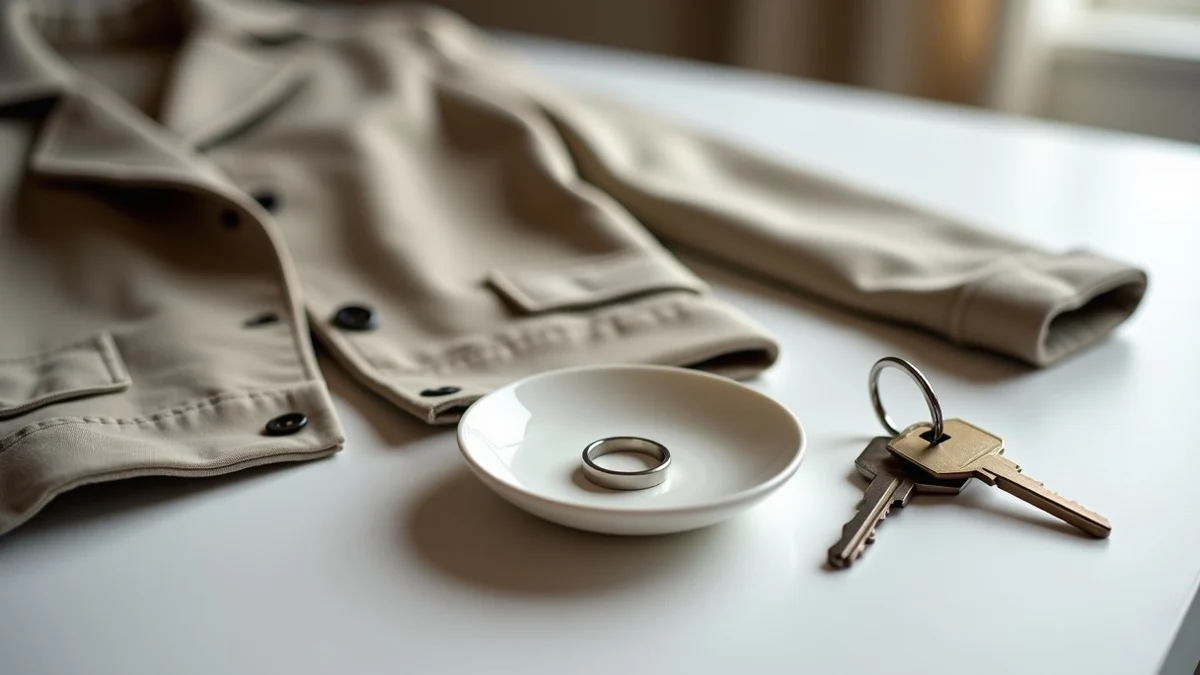
Divorce changes more than your relationship status. Shared routines end, your sense of identity often feels unsettled, and decisions once made by two people now rest with you. Trust often takes a hit, especially when the marriage ended through betrayal, years of conflict, or a painful loss of affection. After divorce, people often carry strong ideas about what a partner should do, what commitment should feel like, and which compromises they will not make again. Another person’s divorce may look similar from the outside yet feel entirely different from within.
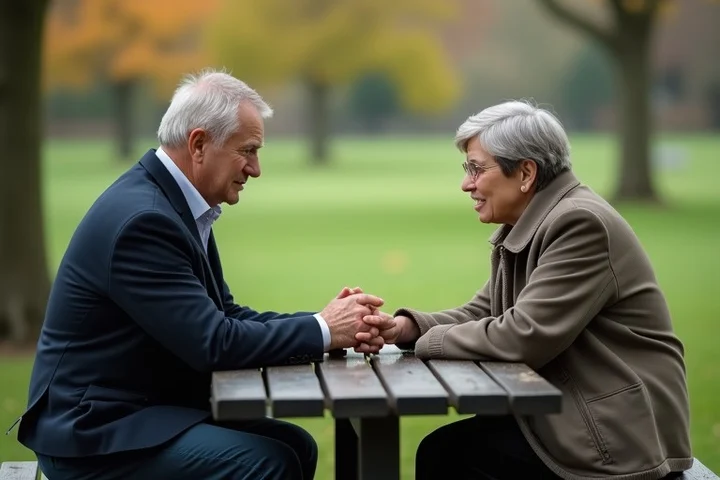
A new date deserves the basic truth: you’re divorced, the marriage has ended, and your life is still taking shape. You don’t owe a courtroom transcript or a detailed account of your former spouse’s worst moments. Share enough context for the other person to understand your situation, then see whether talk of the marriage takes over the evening—whether you’re defending yourself, blaming your ex, or waiting for the date to declare you fully healed. If every conversation circles back to the former relationship, that’s important information about where your attention still lives.
What does readiness look like after divorce?
Readiness after a marriage ends is not a certificate you receive. You see it in how you handle the discomfort of meeting somebody new.
- Point: Genuine curiosity Detail: You want to learn who the person is, even when a date doesn’t promise a new marriage or immediate relief.
- Point: Room for disappointment Detail: A canceled date or lack of chemistry stings, but it doesn’t become a verdict on your worth or proof that your ex was right.
- Point: Loneliness in charge Detail: The main draw is silence at home, family expectations, or the wish to fill the spouse-shaped role immediately. Slow down and address that ache separately.
- Point: Unfinished conflict Detail: You’re still trying to punish, win over, monitor, or explain yourself to your ex. A new partner won’t settle that old argument.
When children, family, or shared routines are still part of life
Children and co-parenting schedules shape the hours you have, the places you can go, and how quickly a relationship fits into your week. A date who expects spontaneous evenings every night may be a poor match for a parent with fixed handoffs or limited childcare. Continuing contact with an ex also brings messages, schedule changes, and emotional residue into your life. That doesn’t make dating impossible; it means your new partner needs an honest picture of your calendar and the fact that your former spouse hasn’t vanished from every practical decision.
Family reactions bring another complication. Parents or siblings sometimes distrust anyone new, grieve the marriage, or urge you to settle down quickly. Financial changes after divorce affect where you live, what you spend on dates, and how much privacy you want around money. None of this requires an apology. Describe your life clearly and see whether the person respects it without pressing for instant access to every part of your family.
A post-divorce dating framework
Set a pace that leaves your sleep, work, parenting, friendships, and recovery recognizable. Early dating should give you information about your reactions: do you feel more like yourself, or are you abandoning your routines to keep someone interested? Disclose the divorce in layers. The fact belongs early enough to avoid misleading someone, while the intimate details belong to a relationship that has earned them. Notice old habits quickly—chasing a distant person, accepting contempt, shutting down during disagreement, or mistaking anxiety for attraction.
Look back after a few dates. Are you choosing people who repeat the marriage’s worst dynamics? Are you comparing every stranger with your former spouse? A trusted friend or therapist helps you spot what you keep excusing when your judgment feels foggy. If dating repeatedly leaves you consumed by anger, panic, or exhaustion, take a break. That isn’t failure. It shows that dating is disrupting your recovery instead of adding something worthwhile to your life.
Dating after divorce works best when you bring the lessons of the marriage forward without dragging the marriage itself into every new interaction. You’re allowed to be hopeful and still healing. Keep your life recognizable, tell the truth in proportion to the relationship, and let a new person earn a place in it over time.