
Published by Dating Again After a Long Relationship
The familiar shape of a romance scam
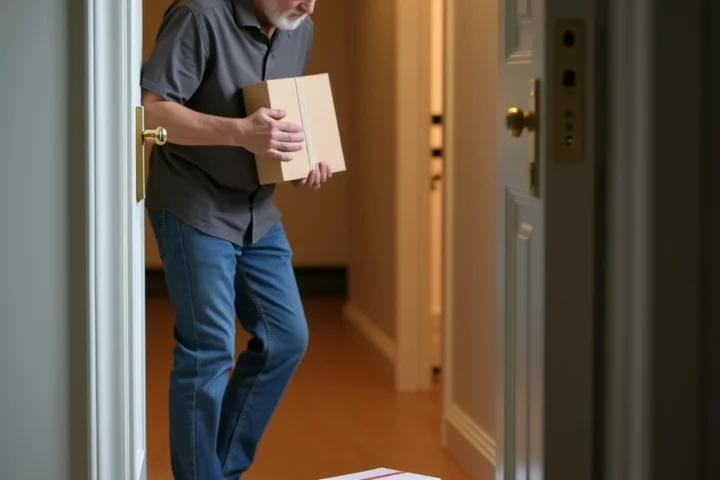
A romance scam is trust-based fraud carried out through a false online identity. The person behind the profile builds emotional trust, then uses that trust to seek money, account access, or personal documents. The contact may begin on a dating app and later move to another messaging service.
Adults coming back to dating after years away may receive concentrated attention from a stranger who quickly becomes a daily contact. Emotional attention can make the connection feel trustworthy before basic identity checks occur. Rapid declarations of affection, frequent contact, and talk of a shared future become more concerning when they arrive before a meeting and are followed by secrecy, urgency, or a request for help.
A convincing story can still conceal a fraud
- Scenario: Overseas work or military deployment Warning: The assignment is given as the reason for distance and limited meetings, then connected to a request for money or account assistance.
- Scenario: Medical emergency or sudden financial crisis Warning: An illness, accident, lost wallet, or urgent bill is used to make a request feel immediate and personal.
- Scenario: Travel problem Warning: A planned visit repeatedly fails because of a ticket, transportation, or other travel cost that the romantic contact asks someone else to cover.
- Scenario: Investment opportunity Warning: The contact offers financial guidance or a profitable opportunity and directs the conversation toward cryptocurrency, transfers, or an unfamiliar investment site.
- Scenario: Repeated inability to meet Warning: Cancellations continue without a credible meeting plan. Distance alone does not establish fraud, but repeated avoidance combined with money requests or resistance to identity checks deserves prompt caution.
Affection or manipulation under pressure
- Behavior: Secrecy Concern: The contact asks that messages or the relationship stay hidden from friends and family.
- Behavior: Accelerated intimacy Concern: Intense affection or future promises appear before basic facts about the person have been checked.
- Behavior: Financial requests Concern: The contact seeks money, gift cards, cryptocurrency, account logins, or identity documents.
- Behavior: Resistance to verification Concern: The person avoids reasonable identity questions, changes details, or objects when a profile photo or name is checked.
When the request becomes urgent
A request for money, gift cards, cryptocurrency, account access, or identity documents changes the exchange from dating to a financial and privacy risk. Payment discussions should stop at that point. Gift-card numbers, cryptocurrency transfers, login credentials, and copies of passports or other identity documents are difficult to recover or control once shared.
Urgency often comes with a request for secrecy: a medical bill, travel problem, deployment issue, investment opportunity, or sudden crisis is presented as a reason to act immediately. A trusted person who has not been involved in the exchange can review the messages and the request. Independent review reduces the chance that emotional attachment will determine a financial decision.
What should you do after a warning sign?
The response sequence is: stop sending funds or personal data; preserve messages, profile details, screenshots, and payment records; complete a reverse-image search of the profile photo; block the account; and report it through the dating platform. The FTC recommends stopping communication, researching a profile photo, and reporting suspected scams. The FBI directs romance-scam reports to the Internet Crime Complaint Center, or IC3.
When money, card details, or account information has been sent, the relevant bank, card issuer, payment service, or other financial institution should be contacted promptly. The FTC should also receive a report, even when no money changed hands.
Fast intimacy, an unverified identity, and a request for money warrant ending contact, preserving records, and reporting the account, even when the personal story sounds credible.
Useful official links
- What To Know About Romance Scams — Federal Trade Commission
- Romance Scams — Federal Bureau of Investigation